
The Cyber Security Authority has organized an intensive training workshop in Accra for journalists and media practitioners aimed at strengthening Ghana’s digital resilience, improving newsroom cybersecurity practices, and curbing the spread of misinformation and disinformation.
Held on Wednesday, May 19, 2026, the workshop focused on equipping media professionals with practical tools to safeguard digital assets, verify information more rigorously, and operate within the country’s legal and regulatory frameworks on cybercrime and data protection.
Strengthening newsroom cybersecurity
Officials from the Cyber Security Authority emphasized that the modern digital environment has made journalists both key defenders and potential targets of cyber threats.
Participants were introduced to core cybersecurity principles, including the CIA Triad—Confidentiality, Integrity, and Availability—as well as information classification systems designed to help media organizations protect sensitive data and confidential sources.
The Authority also examined the “anatomy of modern disinformation operations,” explaining how coordinated actors systematically design and spread false narratives to manipulate public opinion.
Journalists were urged to adopt stricter verification routines, including source tracing, evidence preservation, cross-checking of facts, contextual analysis, and deliberate pauses before publication to reduce the risk of amplifying malicious content.
Emerging digital risks and legal responsibilities
The training further highlighted growing threats such as phishing attacks, account takeovers, unauthorized system access, and risks associated with careless use of artificial intelligence tools in journalism.
Officials also referenced Ghana’s Data Protection Act, 2012 (Act 843), cautioning against publishing unredacted personal data, uploading sensitive files to public AI platforms, and retaining private information beyond necessary timelines.
In addition, participants were reminded of provisions under the Cybersecurity Act, 2020 (Act 1038), particularly Sections 62–68, which criminalize offenses including cyberstalking, sexual extortion, and the non-consensual sharing of intimate images.
Calls for responsible journalism
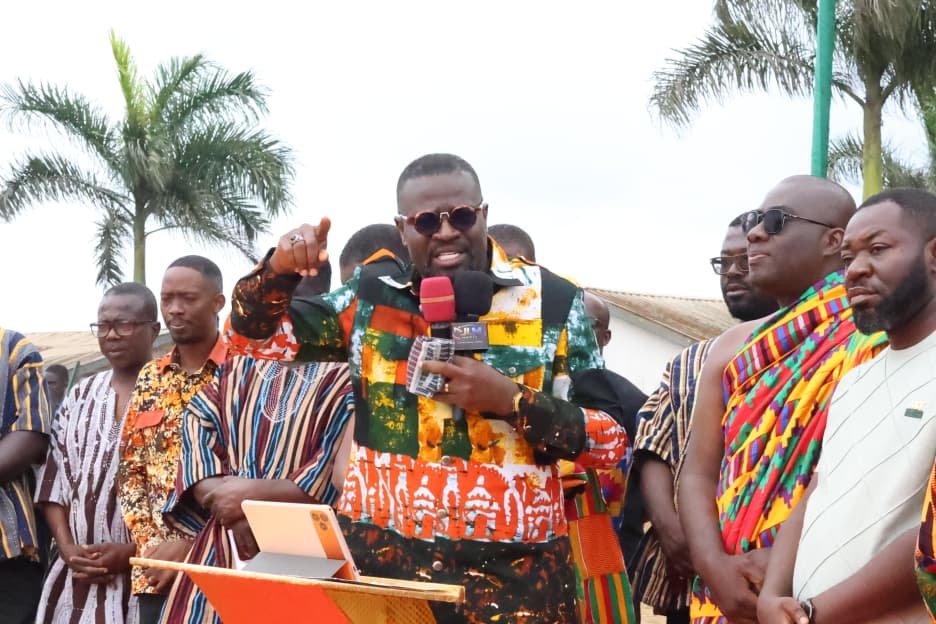
Speaking at the event, Comrade Ako Gunn, Deputy National Communications Officer of the National Democratic Congress, urged journalists and commentators to exercise caution and responsibility in their public communications.
He stressed that responsible reporting is essential to protecting Ghana’s democracy and safeguarding citizens’ rights in an increasingly digital media space.
Media industry balance between ethics and innovation
The President of the Private Newspapers and Online Publishers Association of Ghana (PRINPAG), Mr. David Tamakloe, encouraged media practitioners to embrace innovation while maintaining strong ethical standards.
He noted that although the media industry is rapidly evolving due to technology and economic pressures, accuracy, truth, and responsibility must remain central to journalism practice.