
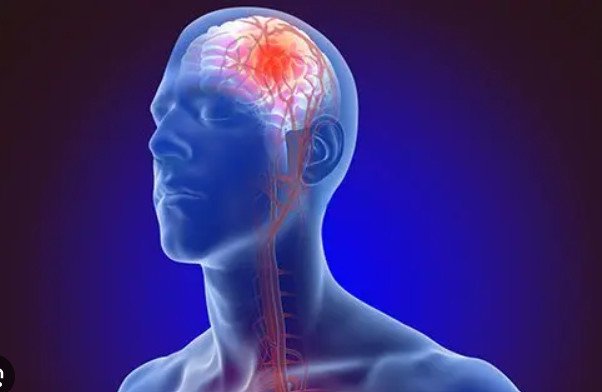
A Senior Physician Specialist at the 37 Military Hospital, Dr Thomas Agbemaple, has warned that unhealthy dietary habits are increasingly putting people at risk of stroke, particularly the type caused by blocked blood vessels.
According to him, eight out of every 10 stroke patients suffer ischaemic stroke, which occurs when a blood vessel supplying blood to the brain becomes blocked.
Dr Agbemaple attributed the growing incidence of ischaemic stroke partly to increased consumption of foods high in fats and oils, which can contribute to cholesterol buildup in the walls of blood vessels.
Speaking on the Citi Breakfast Show on Wednesday, August 26, he said lifestyle choices, especially diet, play a significant role in the development of the condition.
“There are two types of stroke. There is a stroke resulting from a blood vessel rupturing called haemorrhagic stroke, and there is stroke resulting from a blood vessel being blocked called ischaemic stroke,” he explained.
“Now, eight out of 10 people who have a stroke will have an ischaemic stroke, that is blood clotting in the vessels.”
Dr Agbemaple explained that ischaemic stroke can occur when cholesterol deposits build up in the walls of blood vessels, narrowing or blocking the vessels and restricting blood flow to the brain.
He described the problem as increasingly linked to lifestyle, particularly changes in dietary patterns.
“The cholesterol comes from oils and fats in your diet, so to the point that our diets these days have been increasingly westernised with high oil and fat content, the incidence of cholesterol deposition in the walls of the blood vessels is now increasing at alarming rates,” he said.
He noted that the frequent consumption of fried foods and meals heavily laden with fats and oils could increase the risk of cholesterol accumulation in the blood vessels.
The physician specialist urged the public to pay greater attention to their diets and lifestyle choices as part of efforts to reduce their risk of stroke.
Stroke occurs when the brain’s blood supply is interrupted, either because a blood vessel is blocked or ruptures. The condition can cause permanent brain damage and requires urgent medical attention.