The United Nations General Assembly has adopted a landmark resolution led by Ghana, formally declaring slavery and the transatlantic slave trade as among the greatest injustices in human history and calling for reparatory justice.
The resolution, approved on Wednesday with 123 member states voting in favour, three against, and 53 abstentions, marks a significant diplomatic victory for Ghana and reflects growing global momentum to confront the enduring legacy of the slave trade.
It recognises the transatlantic slave trade as a horrific tragedy that subjected millions of Africans and people of African descent to centuries of suffering, violence, and economic exploitation.
The text further acknowledges that the legacy of slavery persists today through systemic inequalities, racial discrimination, and developmental challenges affecting African countries and diaspora communities worldwide.
A key provision of the resolution calls for reparatory justice, urging former slave-trading nations to engage in meaningful dialogue with African states and the African Union to address historical injustices.
While no specific framework for reparations is outlined, the resolution encourages concrete measures such as financial compensation, debt relief, development support, and the return of looted cultural artefacts.
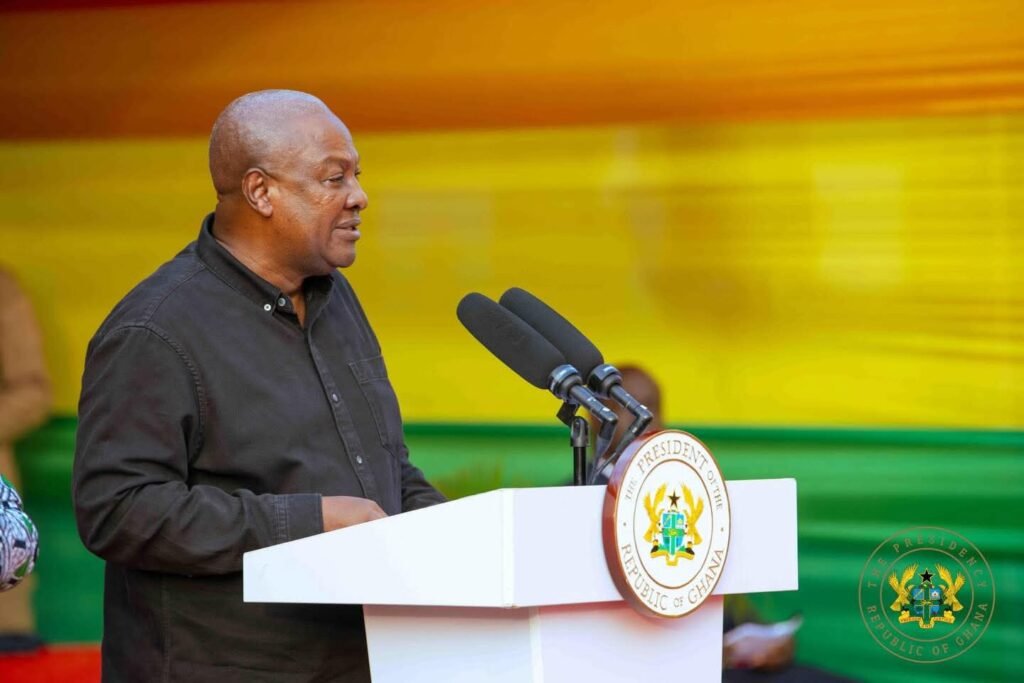
Ghana’s delegation, led by President John Dramani Mahama, played a central role in rallying international support. Officials described the outcome as a historic milestone in the global pursuit of justice and recognition.
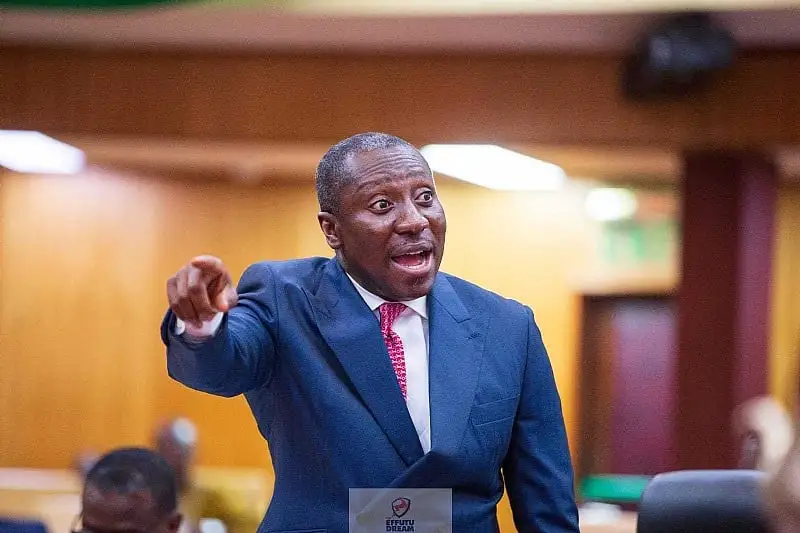
Speaking in New York, Foreign Affairs Minister Samuel Okudzeto Ablakwa described the resolution as a defining moment for the international community.
“Through this resolution, the world has spoken the truth,” he said, adding that while history cannot be changed, its narrative and consequences can be addressed.
The resolution received strong backing from countries across Africa and the Caribbean, many of which have long advocated for reparations. Supporters say the move shifts global discourse from symbolic acknowledgment toward tangible action on historical justice.