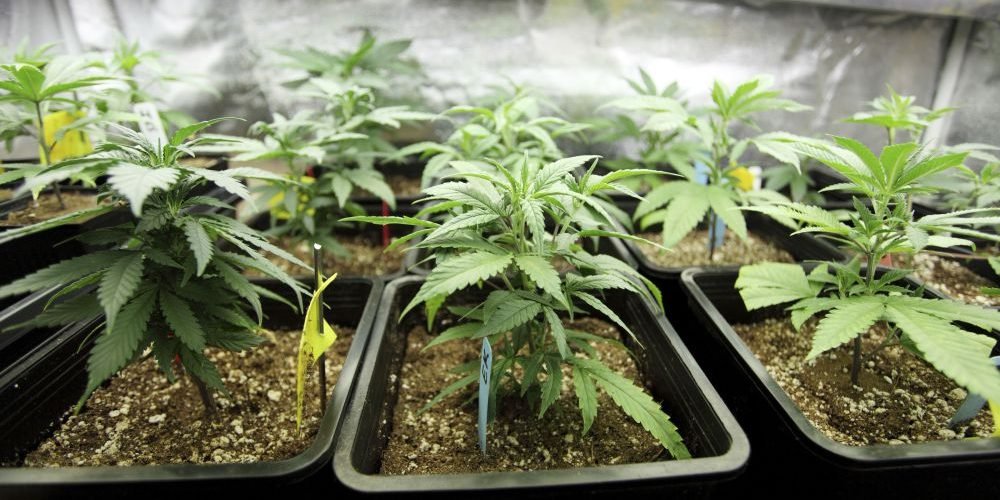
The Narcotics Control Commission (NACOC) has announced that it will soon begin implementing a licensing regime for medicinal and industrial cannabis cultivation in Ghana, following Parliament’s approval of the regulatory framework.
According to the Commission, the move forms part of efforts to operationalise the controlled cultivation, processing and use of cannabis for strictly medicinal and industrial purposes under Ghanaian law.
In a press statement issued on February 11, NACOC said, “The Narcotics Control Commission (NACOC) wishes to inform the public that it will soon begin implementing the licensing regime for medicinal and industrial cannabis in Ghana.”
The Commission explained that the decision follows parliamentary approval of the draft framework to operationalise controlled cultivation, processing, and use of cannabis with tetrahydrocannabinol (THC) content not exceeding a specific amount.
“This follows Parliament’s approval of the regulatory and draft framework to operationalise the licensing regime for controlled cultivation, processing, and use of cannabis with tetrahydrocannabinol (THC) content not exceeding 0.3 per cent for medicinal and industrial purposes,” the statement noted.
The Commission clarified that licences will only be granted to qualified entities that meet stringent requirements, including security protocols, product traceability systems, quality assurance standards, and full compliance with applicable laws and regulations.
NACOC further cautioned prospective applicants to deal directly and exclusively with the Commission through its Cannabis Regulations Department (CRD) and to avoid engaging with any individuals, groups, or associations claiming to facilitate the licensing process.
The Commission further emphasised that recreational use of cannabis however remains unlawful in Ghana.
“NACOC reiterates that recreational use of cannabis remains illegal in Ghana,” it stressed.
NACOC added that it will collaborate with relevant Ministries, Departments and Agencies including the Ministry of the Interior, the Ghana Standards Authority, and the Food and Drugs Authority, to ensure effective implementation, monitoring and enforcement of the framework.
NACOC assured the public of its commitment to safeguarding public health and safety while promoting lawful innovation and industrial development in the country
.