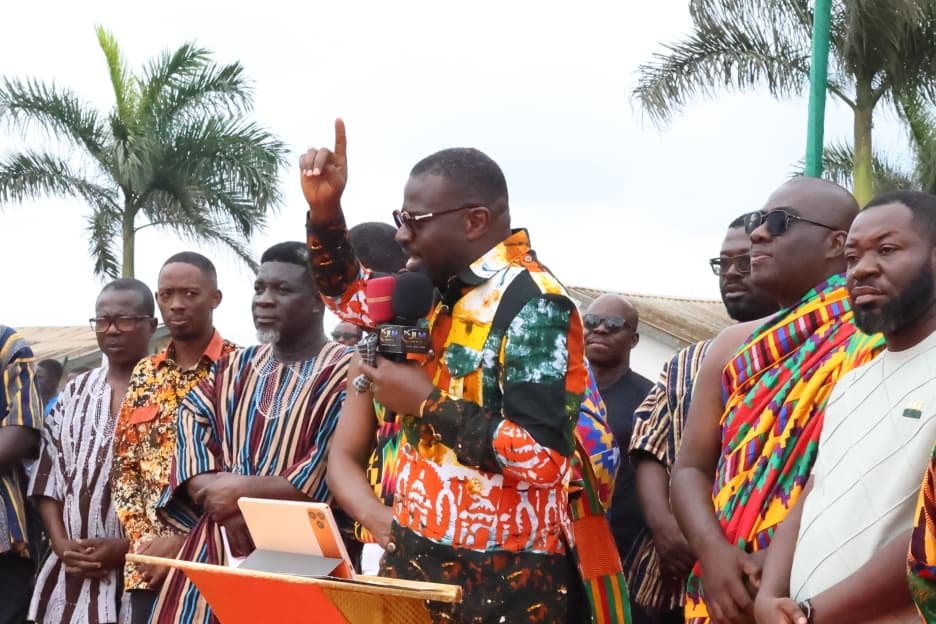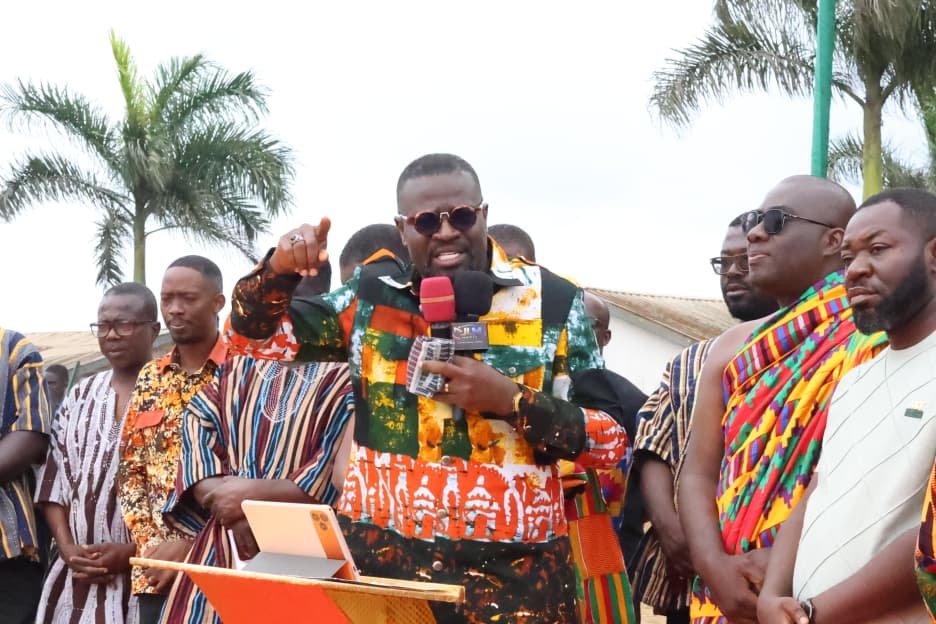
Former Deputy Minister for Transport, Daniel Nii Kwartei Titus-Glover, has backed calls by the Ga Traditional Council for the Ga and Dangme languages to be made compulsory subjects in basic schools across the Greater Accra Region.
According to him, the move as necessary to save the languages which he says are gradually dying.
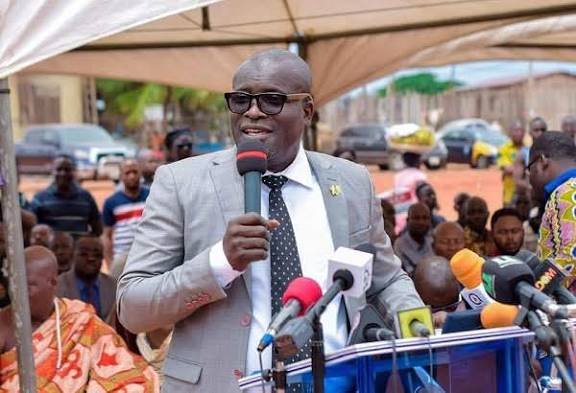
The call was made by the Ga Traditional Council, led by the Ga Mantse, King Tackie Teiko Tsuru II, during a courtesy visit by the Minister of Education, Haruna Iddrisu, on Monday, January 26, to reinforce government efforts to strengthen the use of local languages in education.
Speaking on Metro TV and monitored by NewsDesksGH on January 28, Titus-Glover said the decline of the Ga language is largely the result of migration into Accra and the city’s evolution as Ghana’s capital over the years, which has weakened the general use of the language.
He explained that the relocation of the capital and population influx into Accra had negatively affected the survival of the Ga language.
“It’s a good call because since 1876 when the capital was brought from the coast to Accra, and the fact that a lot of people have migrated to Accra, it has made the Ga language suffer.”
He stressed the importance of language to cultural identity and warned that losing indigenous languages threatens the preservation of traditions and customs.
“All these festivals, cultural practices, the traditions that we all promote, are what makes us who we are. So if you have a language, and with time because of migration making you lose your identity, it is something you need to talk about.”
Referencing his time as Greater Accra Regional Minister, a position he was appointed to in February 2024 by former President Nana Akufo-Addo, Titus-Glover said the same issue had been raised to him as well by the Ga Mantse.
“I remember when the President made me the regional minister, I paid a courtesy call on the Ga Mantse and he expressed the same misgivings, that the Ga language is gradually dying.”
“It is important that we teach these Ga and Dangme languages in the appropriate schools,” he stressed.