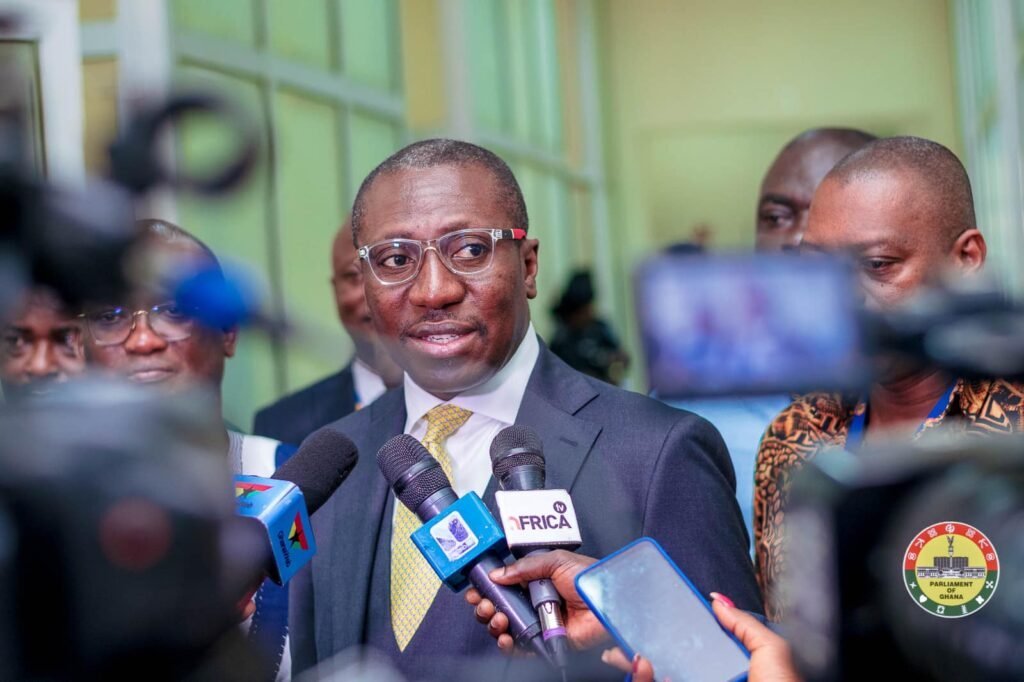
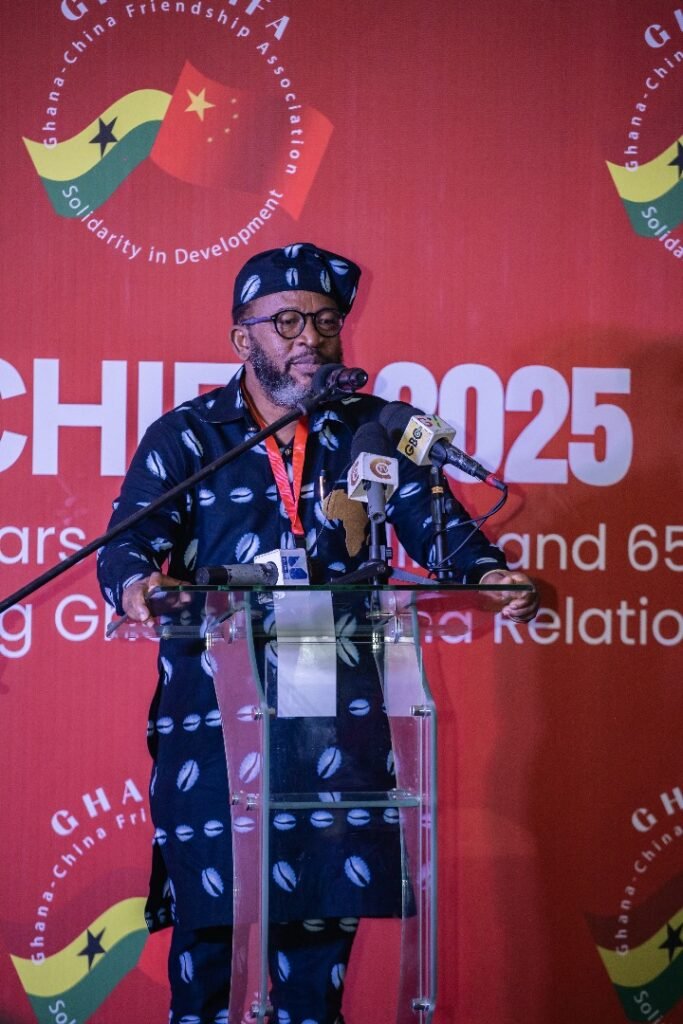
Executive Director of the AfriKan Continental Union Consult (ACUC), Benjamin Anyagre Aziginaateeg, has warned that structural weaknesses within Ghana’s security architecture could threaten peace.
He called on President John Dramani Mahama to prioritise national security reform.
In a message written to President John Dramani Mahama and titled “National Security: The Eye of the Nation,” Dr. Aziginaateeg stressed that Ghana’s sovereignty rests on the strength of its security institutions.
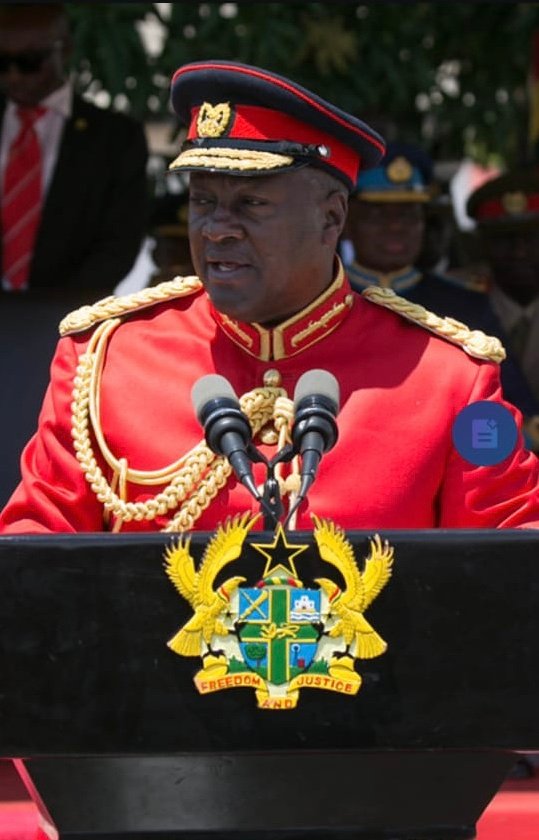
“National security remains the backbone of state sovereignty. Ghana’s peace, democratic stability, and constitutional order depend on disciplined, professional, and patriotic security institutions capable of safeguarding lives, property, and national resources,” he wrote.
He further emphasised the importance of leadership in intelligence management, drawing historical parallels.
“Hence, expert leadership in the ‘world of intelligence’ is an assurances for sovereign safety. History has shown that strong leadership combined with a well-managed security architecture—as exemplified during the Rawlings era—can sustain sovereign authority and protect national integrity over long periods,” the letter added.
Dr. Aziginaateeg warned that despite constitutional mandates, several weaknesses continue to undermine national security effectiveness.
He cited poor observation and intelligence flow, weak communication and delayed decision-making, limited continuous training and technological upgrades, as well as inadequate welfare, remuneration, and safety guarantees.
He further that poor conditions of service expose security personnel to corruption and compromise.
“When security personnel are poorly motivated or economically vulnerable, they become susceptible to compromise through financial inducements and lifestyle pressures—a global pattern that weakens intelligence networks and threatens state stability,” he noted.
“This reality raises urgent policy questions: Are Ghana’s security services satisfied with their working conditions? Do current welfare and safety frameworks support effective service delivery? Are leadership, incentives, and accountability systems structured to reward measurable performance and integrity?” he asked.
He went on recommend pathways to strengthening National Security:
“1.) Welfare & Motivation – Competitive remuneration, housing, healthcare, and family security must be treated as investments in national security—not mere expenditures.
2.) Training & Tools – Continuous in-house training, exposure to modern intelligence systems, and routine technological upgrades are essential for swift and accurate action.
3.) Performance-Based Leadership – Leadership should be evaluated through measurable outcomes. Institutions such as EOCO demonstrate how quantifiable recoveries can reflect institutional effectiveness.
4.) Incentive Structures – Like revenue agencies, security institutions that recover stolen public resources contribute directly to GDP. Exceeding recovery targets should translate into structured bonuses and institutional rewards.
5.) Insulation from Compromise – Lessons from advanced systems—such as Italy—show that when the state fully provides for its security personnel, compromise becomes an act of greed rather than survival, and is therefore easier to punish decisively.
6.) Security as Poverty Reduction – By clamping down on corruption and graft, effective security institutions reclaim resources for national development, directly supporting poverty reduction and transformational growth.”
He went on to commend the Attorney General’s Department, however he urged greater urgency.
“The loot must be recovered without hesitations and compromises. Ghanaians are anxiously waiting for actionable outcomes. Ghana First,” he wrote.
He concluded by stressing that national security is strongest when both officers and citizens are treated with dignity.
“The strongest national security is achieved when both security personnel and the citizenry enjoy dignity, welfare, and confidence in the state. A secure and satisfied population becomes the ultimate defender of good governance and constitutional order,” he said,
“Welfare of National Security Personnel Matters. State Security Is Paramount. Effective Security Is Poverty Reduction,” he added.