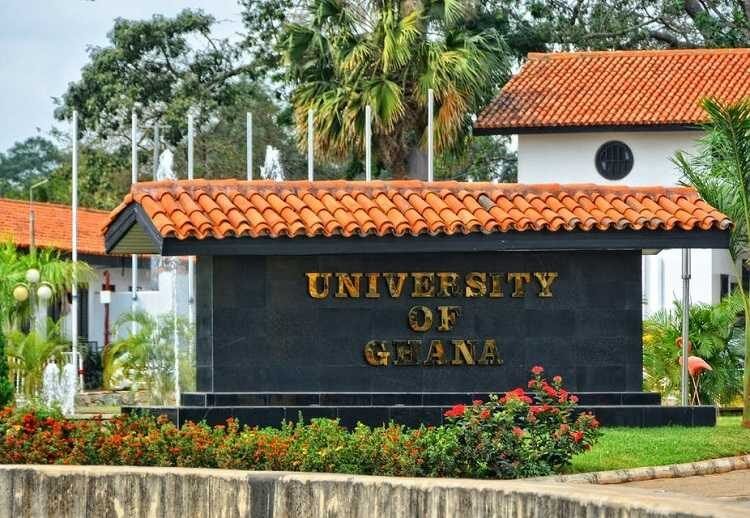
The University of Ghana has clarified that the reported over 25% increase in academic fees for the 2025/2026 academic year is largely the result of additional charges introduced by student leadership.
According to the University, the components driving the increase are third-party fees imposed by the Students’ Representative Council (SRC) and the Graduate Students’ Association of Ghana (GRASAG) to fund student programmes and activities, and not core academic fees set by management.
He directed students with issues surrounding these new prices to take them up with SRC and GRASAC leadership.
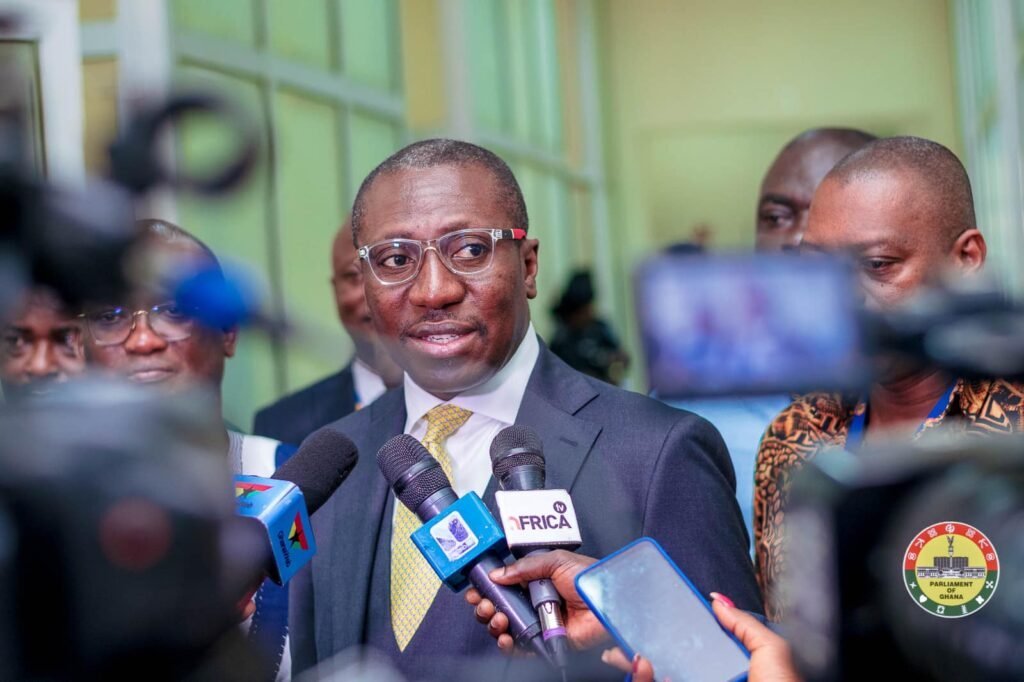
Speaking on Channel One TV and monitored by NewsDesksGH following public concern about the new fee prices, the Pro Vice-Chancellor of the University of Ghana, Professor Gordon Awandare, explained that management has limited control over these charges.
“What is being reported as fee increases relates to third-party fees imposed by student leadership. These are fees approved through their own governance structures and communicated to students over two weeks ago.”
“University management did not impose these fees. If students have issues with these charges, they should take them up with their SRC or GRASAG leadership. These fees are meant to support student programmes and activities,” he explained.
Professor Awandare also defended the overall cost of studying at the university, describing the average fee level as reasonable in the current economy.
“When you look at the fees about GHS2000 for an entire academic year at Ghana’s premier university it is difficult to describe them as excessive. Utilities and operational costs have increased significantly, yet university fees have largely remained unchanged since 2022,”he said.
He added, “Even the students themselves recognise that the previous fee levels were no longer realistic under current economic conditions, which is why they have adjusted their component of the fees to match the cost of running their activities.”
The news of the increases triggered strong reactions on social media, where students, parents and concerned persons described the hikes as “robbery” and warned that the new fees could impose severe financial hardship and restrict access to higher education.