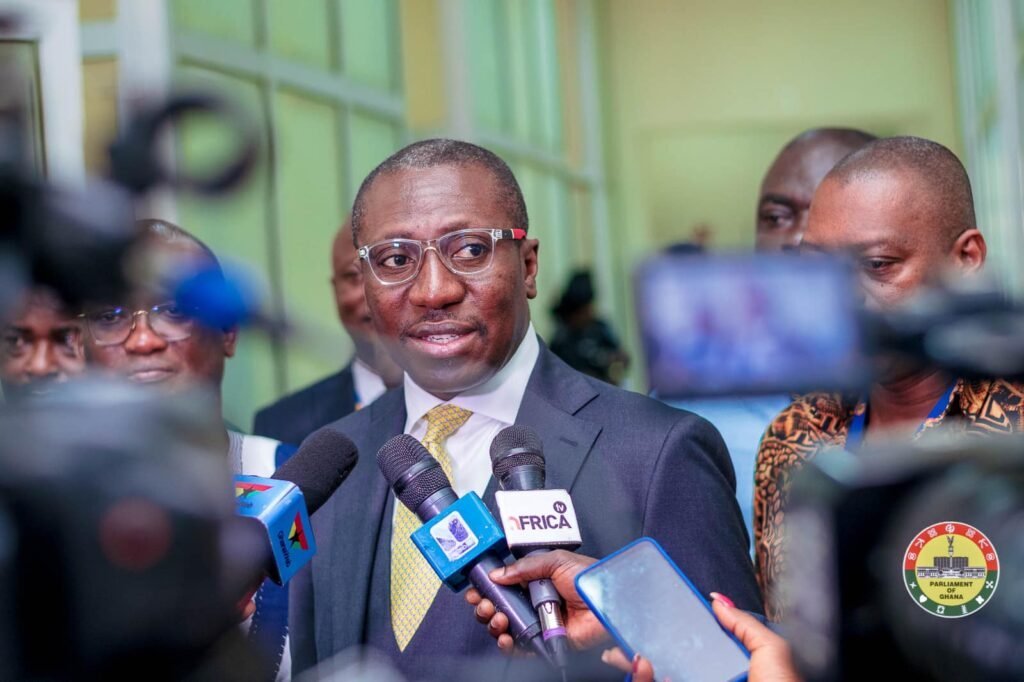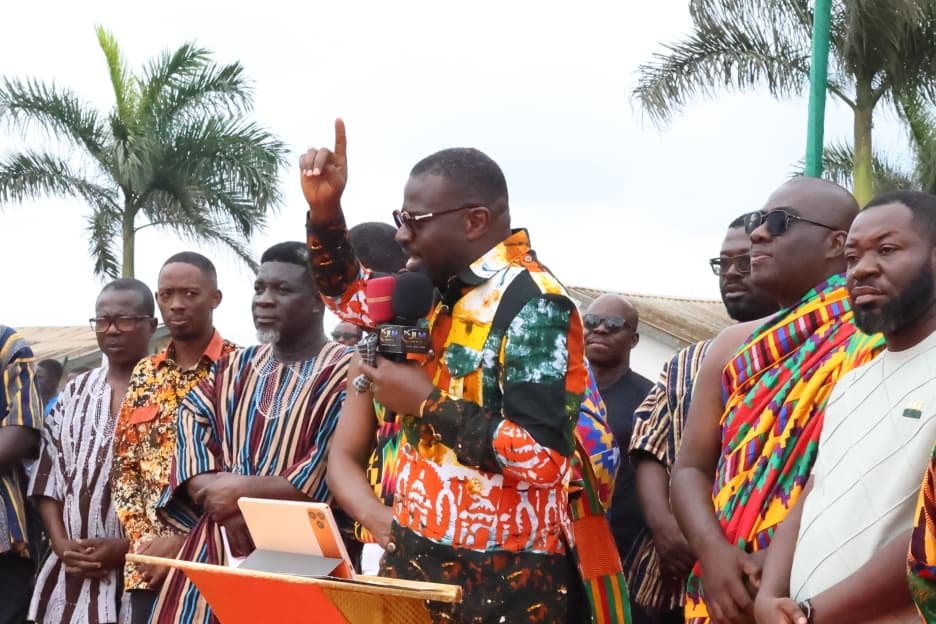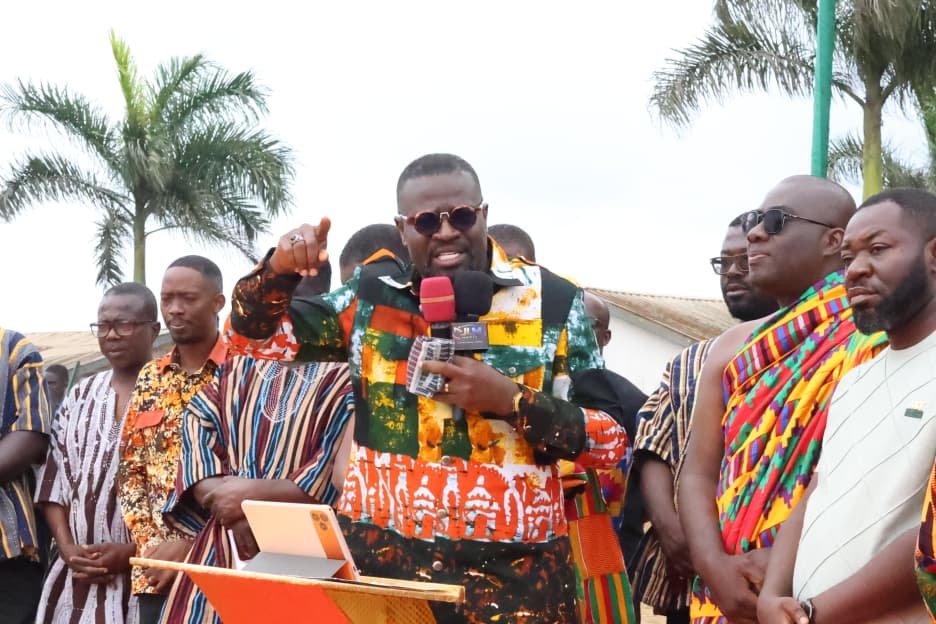
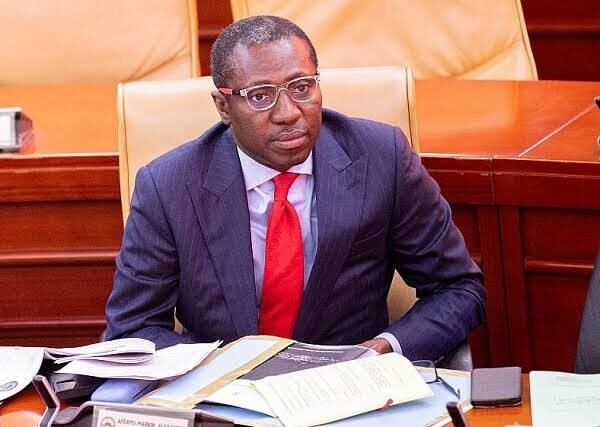
Minority Leader Alexander Afenyo-Markin says that despite indications of economic stabilization, many Ghanaians continue to face severe hardship that must be acknowledged in discussions surrounding the 2026 Budget.
According to him, the country is still dealing with the lingering effects of fiscal strain and pressure from rising public debt.
He noted that while certain indicators may appear to be improving, the lived experiences of ordinary citizens tell a different story.
Speaking at the 2026 post-budget workshop in Accra on November 15, the Minority Leader began by commending the Finance Minister and his team for fulfilling their constitutional obligation.
He said the 2026 Budget has been introduced at a critical period in Ghana’s economic recovery.
“Ghana continues to contend with the lingering effects of fiscal strain, and public debt pressures,” he said.
“Despite some signs of stabilization, many challenges persist, challenges that call for bold thinking, pragmatic policy, and transparent management.”
Afenyo-Markin emphasized that the real test of the budget lies in its impact on citizens battling the rising cost of living, unemployment, and other issues.
“The economic difficulties our people face today, whether in the rising cost of living, high unemployment, or limited access to credit, demand that we, as representatives of the people, engage the Budget with clarity, compassion, and responsibility.”
He reminded other MPs and participants that the human impact behind economic statistics must guide parliamentary scrutiny, noting that policy decisions influence the lives of the average Ghanaian.
He explained, “The market woman struggling to keep her business afloat, the farmer waiting for fair prices and reliable roads, the teacher seeking better resources, and the young graduate hoping for meaningful work. These are the real stakeholders in the Budget, and it is their aspirations that must shape our analysis and our advocacy.”
He further highlighted the importance of the workshop, explaining that it offers Parliament the opportunity to closely examine the assumptions and revenue targets behind the 2026 Budget while assessing whether proposed government interventions can deliver inclusive and sustainable growth.
The Minority leader added that the Caucus remains committed to constructive engagement.
“For us in the Minority Caucus, our responsibility goes beyond criticism. We are committed to constructive engagement, supporting sound policies that advance national development while offering credible alternatives where policies fall short.”
“Our oversight function must be guided not by political expediency but by fidelity to the Constitution and loyalty to the Ghanaian people.”
He stressed that the sustainability of Ghana’s economy lies on the principles of discipline, transparency and innovation.
“We must cultivate the discipline to live within our means, the transparency to account for every cedi spent, and the innovation to create wealth rather than merely redistribute it.”
He urged members of Parliament to play a key role in promoting these values through scrutiny, informed debate and collaboration with the Executive.
The Ghana 2026 Budget Statement was presented to Parliament by Finance Minister Dr. Cassiel Ato Forson on Thursday, November 13.