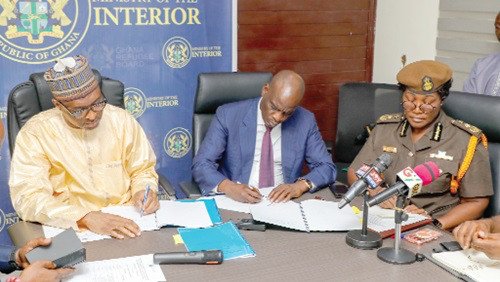
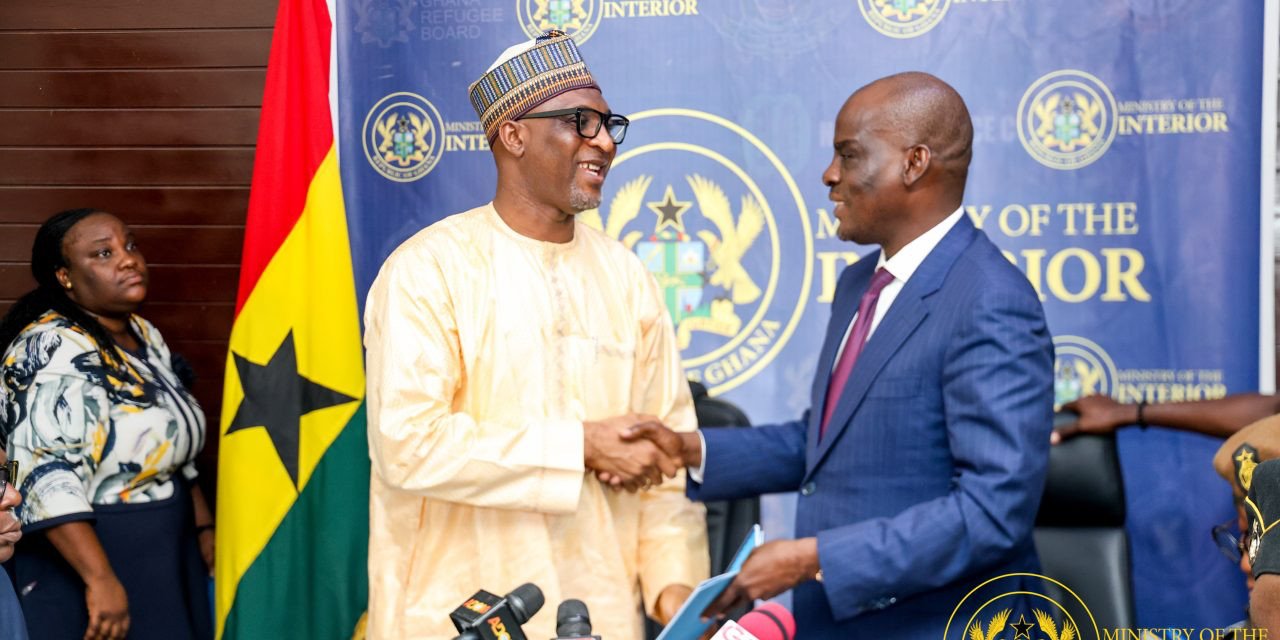
The Ghana Prisons Service is set to begin the production of school uniforms, furniture and sanitary pads for basic and secondary schools across the country, following the signing of a Memorandum of Understanding between the Ministry of the Interior and the Ministry of Education.
Under the agreement, the Ghana Prisons Service will produce over 12 million sanitary pads as part of the government’s 2025 free sanitary pad initiative, in addition to supplying school uniforms and furniture nationwide.
The MoU, signed on January 14, provides a minimum 30 percent concession for the production and supply of school furniture assigned to the Ministry of the Interior through the Ghana Prisons Service, as well as a minimum 25 percent concession for the sanitary pad programme.
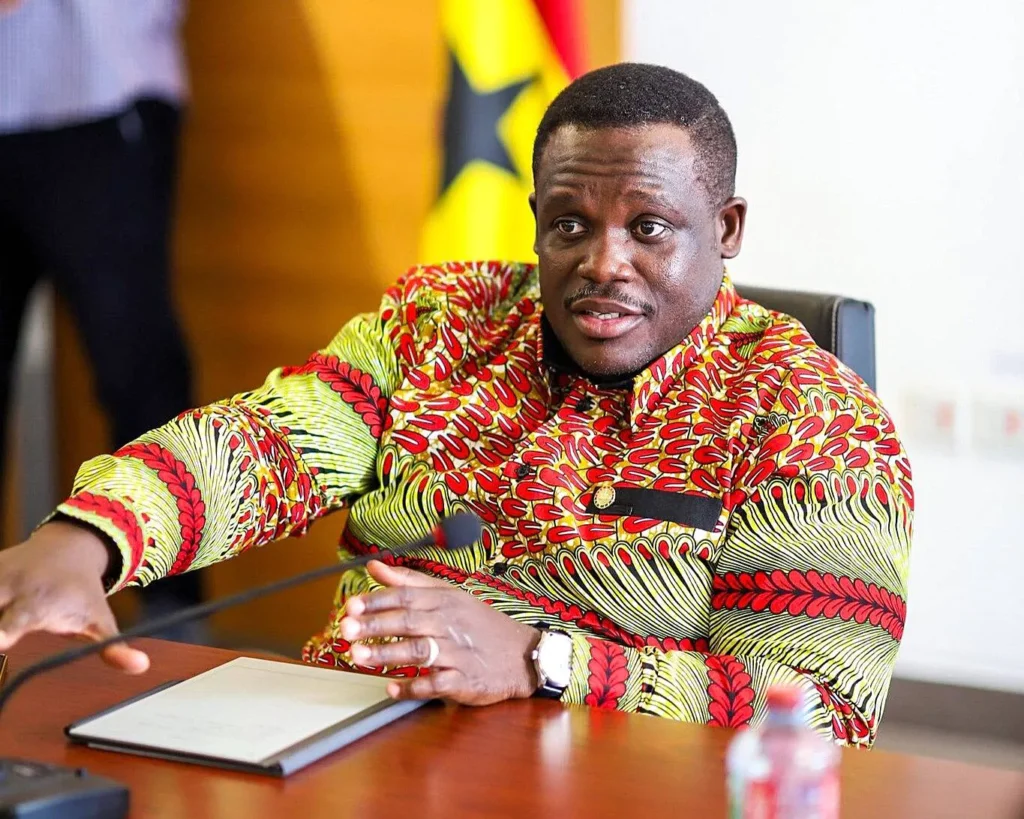
Speaking at the signing ceremony, Minister for the Interior, Muntaka Mohammed-Mubarak, said the initiative would ensure value for money while strengthening production within state-owned institutions.
“We will ensure value for money and transparency in public procurement by anchoring production within state-owned industrial systems subject to clear oversight,” he said.
According to him, the agreement reflects a deliberate policy decision to place education at the centre of national development while boosting local production capacity and ensuring the timely supply of essential educational materials.
The Interior Minister noted that the initiative would deliver broader outcomes beyond production, including inmate rehabilitation, skills development, income generation and a reduction in recidivism.
He disclosed that a five-member implementation committee would be established to oversee the effective execution of the agreement.
“To advance inmate rehabilitation and reintegration by expanding the vocational and industrial training opportunities within the Ghana Prisons Service,” he added.
Additionally, the Minister for Education, Haruna Iddrisu, said the MoU would reposition the Ghana Prisons Service as a key player within the education value chain.
He assured that adequate budgetary support would be provided to enable the Service to deliver on the sanitary pad initiative.
“We definitely will find some budget line to support the Ghana Prisons Service to undertake the production of these sanitary pads. In 2026, we will be mindful and guided by this MoU when we are undertaking the procurement,” he said.
The Education Minister described recidivism as a relapse into crime and stressed the importance of preventing unproductive inmate life through structured skills acquisition and productive engagement.
He added that the initiative adopts a value chain approach rooted in indigenous and local production, including the siting of productive entities within prison facilities.
Director-General of the Ghana Prisons Service, Patience Baffoe-Bonnie, also said the initiative would not only help inmates become law abiding while in custody but also create income earning opportunities for them.
“The ultimate goal is to ensure that the public is safe. And so if this cycle is completed what it means is that we’re going to break the cycle of recidivism,” she stated.
She described the programme as a game changer for the Service, noting that it has repositioned the Ghana Prisons Service as a critical contributor to national production and development.