The Minority in Parliament is calling for a major reset of Ghana’s approach to supporting indigenous businesses, warning that political patronage is undermining entrepreneurship and threatening long‑term economic growth.
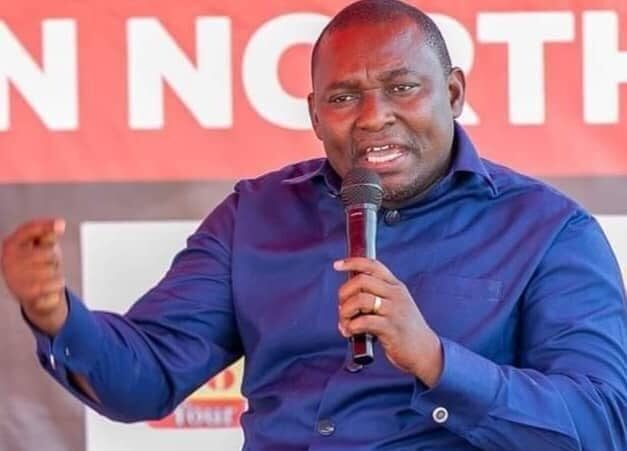
Speaking at the 2026 Kwahu Business Forum on behalf of the Minority Leader, Osahen Hon. Alexander Kwamena Afenyo‑Markin, Second Deputy Minority Whip Jerry Ahmed Shaib said Ghana must move beyond “rhetoric and partisanship” if local businesses are to survive and scale in a competitive global economy.
Shaib told business leaders, policymakers, and entrepreneurs gathered under the theme “Leaders Committing to Sustenance of Ghanaian Businesses” that no enterprise should rise or fall based on the political regime of the day.
“The success of a business should never depend on which political regime is in power,” he emphasized.
The Minority expressed concern that the politicization of business opportunities is stifling innovation and pushing Ghanaian firms to the margins while foreign companies thrive.
Shaib described entrepreneurship as “nation building” and argued that sustainable development is impossible when political considerations determine who gets support.
He also stressed the need to empower young entrepreneurs, calling them the most “energetic and creative” demographic in the business ecosystem.
Sharing insights from engagements with GUTA, AGI, the Ghana Employers’ Association, farmers, and SMEs, Shaib described the feedback as “sobering.”
He noted that feedback from their engagement with business groups revealed high lending rates and punitive collateral requirements; short credit tenures; rising energy costs forcing manufacturers to operate below capacity; and tax regime that burdens industry without boosting competitiveness.
Shaib also criticized the government’s new AI-based port duty assessment system, the Publican Trade Solution, arguing that it has produced inflated and inconsistent duty assessments due to the lack of independent validation and a functional appeals process.
Across sectors, he said, businesses still worry about a persistent “consultation deficit,” where policies are announced rather than developed in partnership with industry.
To address these challenges, the Second Deputy Minority Whip outlined several policy measures it plans to push in Parliament, including a statutory pre‑legislative consultation framework for businesses, a comprehensive tax-impact assessments before new levies are introduced; a parliamentary scrutiny of the AI-driven port system and creation of a credible appeals mechanism, a review of utility tariffs; a predictable tariff roadmap, a ring‑fenced investment in technical and vocational education aligned with industry needs; quarterly parliamentary engagements with business associations; and SME financing reforms, including longer loan tenures and revised collateral requirements.
“Our commitment is not to speak, but to be held accountable,” Shaib said.
He urged entrepreneurs to “invest boldly” in their ideas and called on Ghana’s financial sector to work with Parliament to build an ecosystem that empowers local businesses.
“Let this forum be more than a conversation,” he said, adding, “let it be the beginning of sustained, structured support for Ghanaian businesses.”