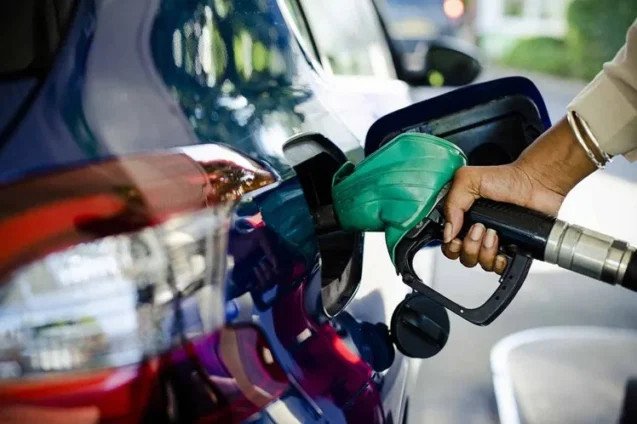
Fuel prices in Ghana could rise sharply to as high as GH¢17 per litre if the escalating conflict in the Middle East involving Israel, Iran and the United States does not ease within the next few days.
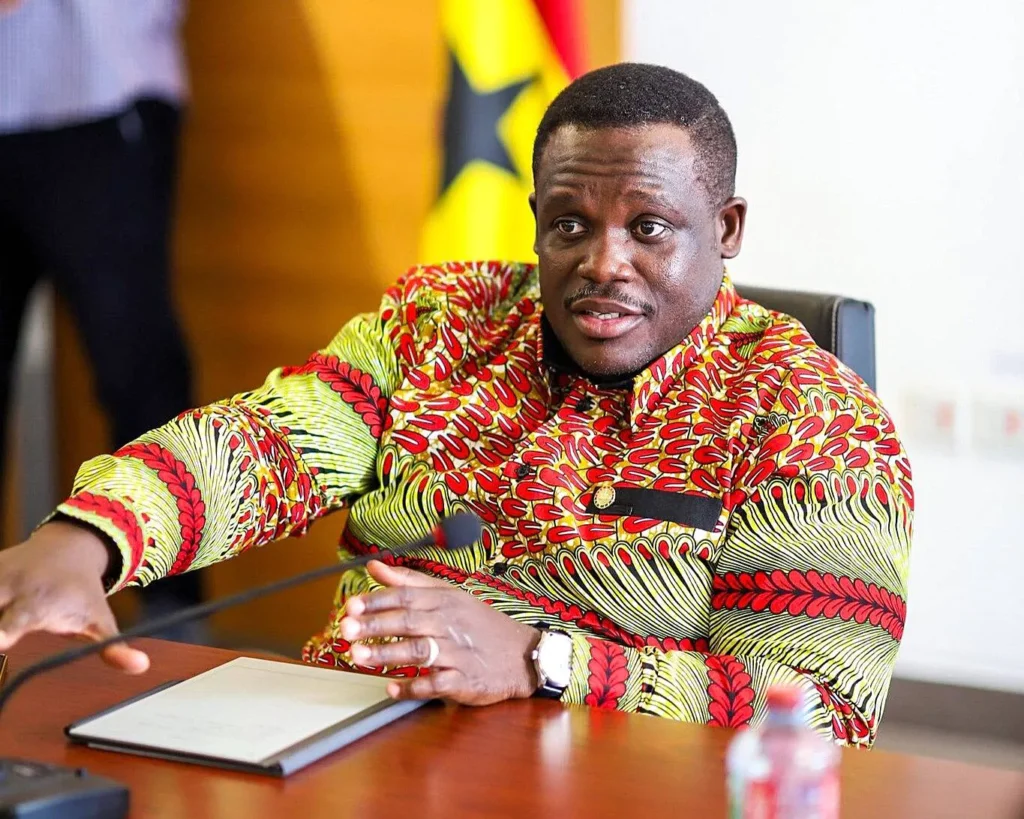
This warning comes from the Chief Executive Officer of the Chamber of Oil Marketing Companies (COMAC), Dr. Riverson Oppong, who says growing geopolitical tensions could trigger a steep increase in global crude oil prices, with serious consequences for fuel-importing countries such as Ghana.
Speaking in an interview with JoyBusiness on Monday, March 9, Dr. Oppong explained that if the crisis persists beyond midweek, international crude prices could surge to between $110 and $120 per barrel, pushing local pump prices significantly higher.
“If by Wednesday things have not come down, we are going to hit around 110 to 120 dollars per barrel,” he cautioned.
Ghana imports a large share of its petroleum products through Bulk Distribution Companies (BDCs), which supply Oil Marketing Companies (OMCs) that retail fuel nationwide. According to COMAC, increases in international crude prices are quickly reflected in domestic pump prices once new shipments are purchased at higher costs.
“If you are picking the trading price that we are seeing from the markets or from the BDCs today for the oil marketing companies… we should hit above 15 cedis, between 15 and 17 cedis, depending on where you buy your fuel,” Dr. Oppong explained.
He warned that such a surge in prices would have global repercussions, affecting not only African economies but also countries across Asia, Europe and beyond.
“That will be ridiculous for countries, not only in Africa but even in Asia and South Asia… even Australia,” he added.
Middle East conflict shaking global oil markets
The warning comes as the expanding conflict in the Middle East heightens fears of disruptions to key global oil supply routes. Energy markets have been particularly sensitive to developments around the Strait of Hormuz, a strategic maritime passage through which roughly one-fifth of the world’s oil supply passes each day.
Any disruption to shipments from major oil producers in the Gulf region could trigger rapid spikes in international crude prices.
Energy analysts say traders have already begun factoring in geopolitical risk premiums as tensions escalate, pushing global oil prices upward.
Dr. Oppong noted that Ghana remains highly exposed to such shocks because the country relies heavily on imported refined petroleum products.
“Let’s not politicise it. Let’s face facts. Ghana did not play any role in this particular fight or war,” he said.
“But we are here as a net importer of energy, and therefore we must suffer the consequences.”
Economic ripple effects
Rising fuel prices could significantly impact Ghana’s economy, driving up transportation costs, food prices, electricity tariffs and overall inflation.
Fuel prices play a central role in determining the cost of goods and services across the country. Sustained increases could therefore place additional pressure on households and businesses.
Economists warn that higher fuel prices could also complicate efforts by the Bank of Ghana to stabilise inflation and maintain macroeconomic stability.
Industries such as transportation, manufacturing and logistics are particularly vulnerable to fuel price hikes, which often lead to fare increases and higher production costs.
Call for calm
Despite the looming challenges, Dr. Oppong urged both policymakers and the public to avoid politicising the issue, stressing that the current pressures are largely driven by global market dynamics beyond Ghana’s control.
He called for close monitoring of developments in the Middle East and coordinated policy responses to cushion the economy should the crisis escalate further.
Analysts say the trajectory of fuel prices in Ghana will ultimately depend on how quickly tensions in the Middle East subside and whether global crude oil markets stabilise in the coming weeks.