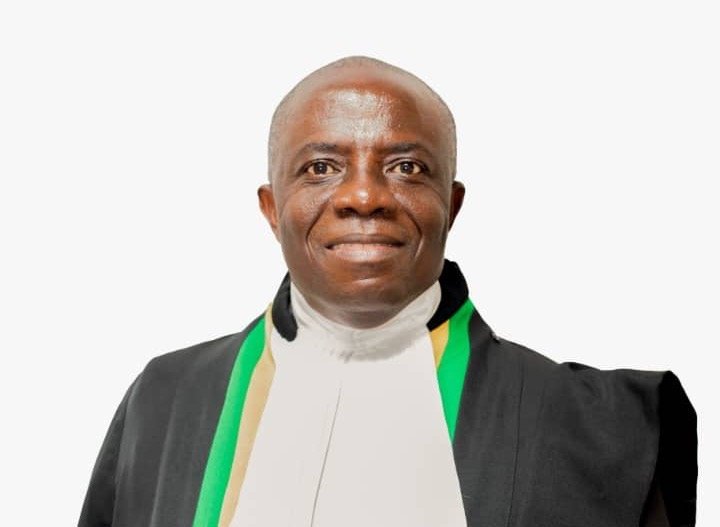

Member of Parliament for Assin South, John Ntim Fordjour, has called for a full-scale investigation into a series of major narcotics seizures linked to Ghana, warning that the country risks becoming a “Cocaine Coast” amid what he describes as an unprecedented drug trafficking crisis.
His call follows the interception by French Customs of 3.9 tonnes of cocaine concealed in a container carrying plastic waste from Ghana.
The shipment, comprising 167 bales of cocaine, was intercepted on September 7, 2026, at the Port of Dunkirk in France.
French authorities estimate the consignment has a street value of nearly €225 million. It was reportedly being transported from Ghana to the Port of Antwerp in Belgium.
According to Dutch newspaper De Telegraaf, Dutch and French investigators have information suggesting that part of the shipment belongs to the criminal organisation of fugitive Dutch drug lord Jos Leijdekkers, also known as “Bolle Jo”.
Belgian newspaper HLN also reported that the drugs were destined for a business address in Dordrecht in the Netherlands.
The latest seizure has prompted Mr Ntim Fordjour to renew his concerns over Ghana’s role in international narcotics trafficking.
In a post on X, he alleged that Ghana was “fast becoming a COCAINE COAST under government complicity” and questioned whether state institutions were doing enough to prevent the country’s ports from being used as transit points for narcotics.
Mr Ntim Fordjour said he first raised concerns in April 2025 over what he described as a $500 million cocaine shipment and suspicious flights.
He alleged that instead of investigating the matter and prosecuting those responsible, the government “chose to storm my house with armed thugs under the supervision of BNI.”
He further cited a separate narcotics seizure in Australia in April 2026, involving what he described as $208 million worth of methamphetamine allegedly originating from Ghana.
According to him, the Interior Minister subsequently indicated to Parliament that government officials were complicit in the matter, but he questioned why no official had since been publicly named or prosecuted.
“Now, another major drug bust of $260m worth of cocaine from Ghana has been intercepted in France,” Mr Ntim Fordjour said.
He argued that the series of seizures raised serious questions about Ghana’s international reputation and the effectiveness of the country’s anti-narcotics enforcement mechanisms.
“In less than 2 years under the NDC Mahama government, over $1billion unprecedented worth of drugs have been busted in and out of our ports and yet no government official has been fired for their failure,” he alleged.
Mr Ntim Fordjour also questioned whether the government was “directly facilitating these narcotics transits or benefiting from the trade”, while demanding answers from the authorities.
He called for an immediate full-scale inquiry involving key institutions responsible for Ghana’s security, ports, immigration and narcotics control.
“We demand answers and full scale enquiry to be commissioned immediately,” he said, naming the Ministry of the Interior, Ministry of Transport, Narcotics Control Commission, Ghana Immigration Service and the Bureau of National Intelligence among institutions that should be held accountable.
“This level of drug trafficking is unprecedented in our history. Ghana’s sinking image must be salvaged quickly before degenerating into a COCAINE COAST!” he warned.
The latest French seizure has heightened scrutiny of Ghana and the wider West African region as a transit route for cocaine destined for Europe.
French authorities have launched an investigation into suspected organised drug trafficking, importation and criminal association.
The case has been handed to France’s Anti-Narcotics Office (OFAST), working with the National Directorate of the Judicial Police (DNPJ), as investigators seek to identify the network behind the shipment.
The reported links between the intercepted cocaine and Mr Leijdekkers’ organisation could further intensify international investigations into the use of West African ports in the movement of narcotics to Europe.
Mr Leijdekkers, who is regarded as one of Europe’s most wanted fugitives, is believed by authorities to be hiding in Sierra Leone, although officials there have repeatedly denied that he is in the country.