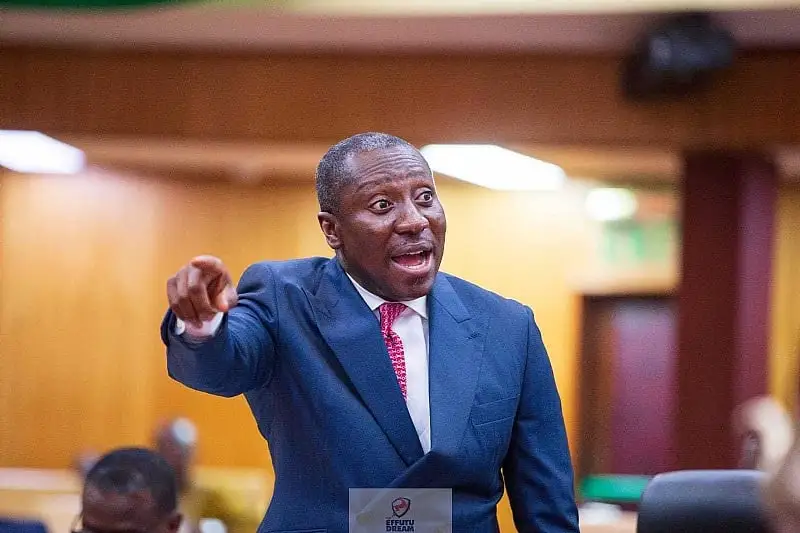
In the aftermath of the New Patriotic Party’s (NPP) defeat in the 2024 general elections, the party has been forced into a period of recalibration. On January 2, 2025, the National Council announced its leadership structure for the 9th Parliament, reappointing Alexander Afenyo-Markin as Minority Leader.
The decision came at a critical moment. The NPP’s parliamentary strength dropped from 137 seats in the 8th Parliament to 81 seats in the 9th, while the opposition National Democratic Congress surged past 180 seats to assume majority control.
A year later, in January 2026, the party elected Dr. Mahamudu Bawumia as its flagbearer for the 2028 general elections, securing 56.48% of valid votes in a fiercely contested primary. His closest challenger, Kennedy Ohene Agyapong, polled 23.76%, followed by Bryan Acheampong, Yaw Osei Adutwum, and Kwabena Agyei Agyepong.
With Dr. Bawumia now leading the party into 2028, speculation has intensified over whether he will reshuffle the Minority leadership, particularly given that Afenyo-Markin had professed loyalty Kennedy Agyapong.
Yet, beyond political optics, there are compelling strategic reasons why retaining Afenyo-Markin may serve the NPP’s broader interests.
- Stability in a Period of Recovery
After a historic electoral setback, internal stability is paramount. The NPP is rebuilding from its lowest parliamentary numbers in nearly two decades. A sudden leadership change could unsettle an already fragile Minority caucus.
Afenyo-Markin has been at the helm during one of the party’s most challenging transitions. Continuity in leadership may offer institutional stability while the party reorganises ahead of 2028.
- The Central Region Factor
The Central Region has historically played a decisive role in Ghana’s presidential elections. Often regarded as a swing region, the candidate who performs strongly there typically gains a national advantage.
Afenyo-Markin, Member of Parliament for Effutu, remains one of only four NPP MPs from the Central Region in the Minority. The others are:
- Lawrence Agyensiam (Hemang Lower Denkyira)
- John Ntim Fordjour (Assin South)
- Rudolf Amoako-Gyampah (Upper Denkyira West)
Of these, only John Ntim Fordjour is a third-term MP; the others are first-term legislators. Replacing Afenyo-Markin could risk alienating an already politically sensitive region — a move the party may not be able to afford heading into 2028.
- Parliamentary Experience Matters
Leading a Minority caucus requires deep procedural knowledge, negotiation skills, and tactical discipline. Parliamentary leadership is not merely symbolic; it demands mastery of standing orders, legislative strategy, and political timing.
Among thecurrent crop of MPs from the minority side of the house, Afenyo-Markin is one of the few, if not the only, who possesses the most leadership experience at the front bench.
Appointing another MP to the Minority Leader role would present significant procedural challenges.
In a Parliament dominated by the NDC, inexperience at the helm could weaken the Minority’s effectiveness.
- Managing Loyalist Dynamics Within the Party
Despite his extreme loyalty to Kennedy Agyapong, the minority leader has publicly reaffirmed his loyalty to party unity and to the newly elected flagbearer.
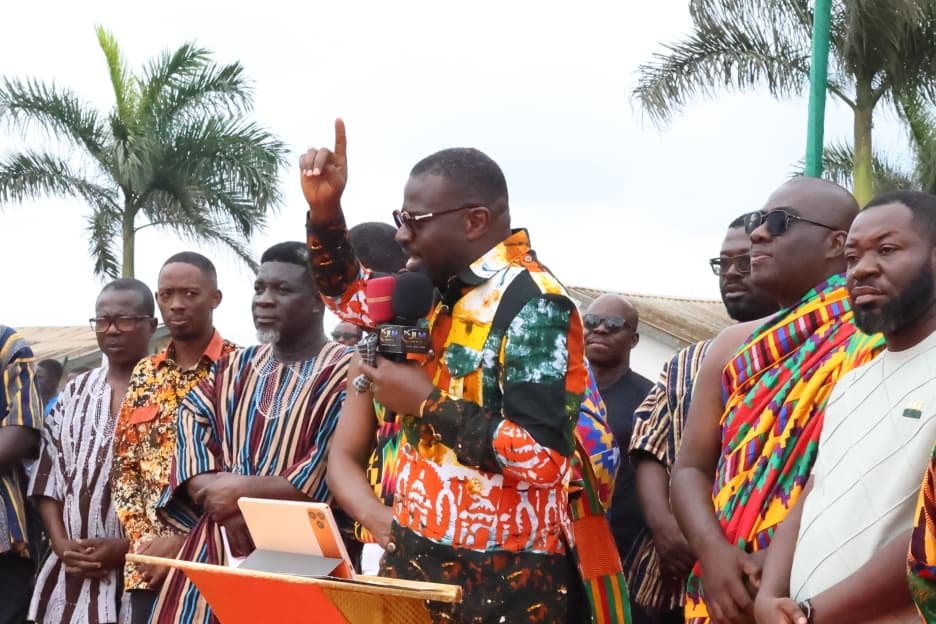
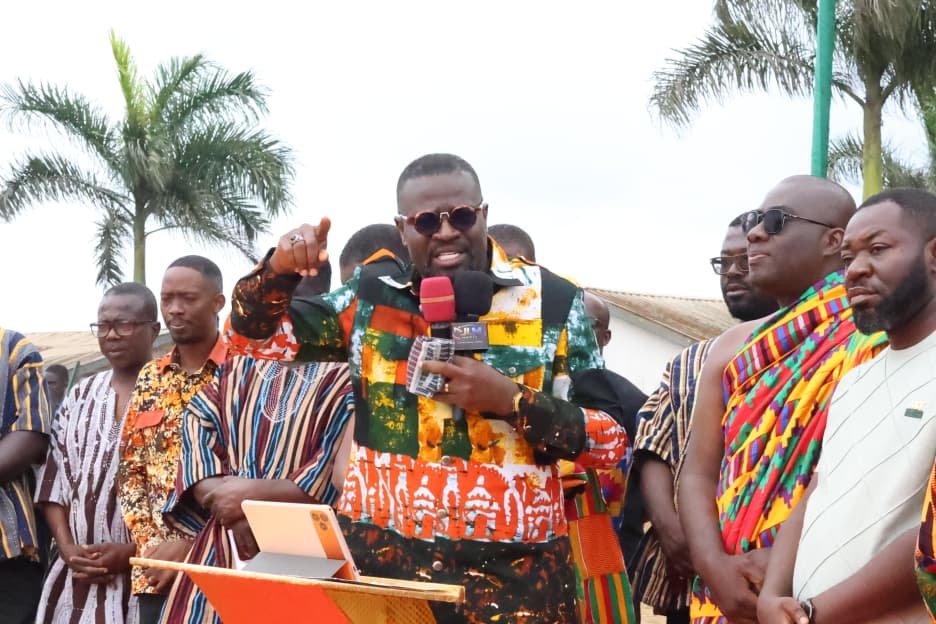
Addressing stakeholders in Effutu, he emphasised that personal relationships and party cohesion must supersede political rivalry.
He disclosed that Kennedy Agyapong personally reached out to Dr. Bawumia to congratulate him and pledge support for 2028, a gesture Afenyo-Markin described as evidence of internal unity.
Removing him now could be interpreted by his loyalists as political retribution. Such a perception could deepen factional fault lines at a time when unity is critical.
- Avoiding the “Payback” Narrative
Politics is often about perception. A major reshuffle shortly after the flagbearer election could fuel speculation that leadership changes are retaliatory rather than strategic.
If Afenyo-Markin were removed, critics might frame the decision as punishment for his close association Agyapong. That narrative could overshadow the party’s message of unity and renewal.
For a party seeking to rebrand itself ahead of 2028, avoiding unnecessary internal controversy may be wiser than asserting authority through abrupt change.
The Alternative Names
Two names have emerged in discussions about a possible replacement:
- Dr Ayew Afriyie
- Kojo Oppong Nkrumah
Both are experienced communicators and respected Members of parliament within the minority caucus.
The real question is not whether Dr. Bawumia has the authority to make changes, he does. The question is whether such changes would strengthen or destabilise the NPP’s rebuilding efforts and better position it to recapture power 2028.
At this stage, retaining Afenyo-Markin may signal maturity, tolerance for internal diversity, and a commitment to party unity rather than rewarding loyalist after an acrimonious internal primaries.
Feature by Nimatu Yakubu Atouyese